Flag Ponds and Battle Creek Cypress Swamp
Today I went to Calvert County with my companion, two friends of ours, and their infant son.
In the morning and early afternoon we visited Flag Ponds Nature Park. There are several distinct habitats here, including a large power line cut, a few distinct forest zones, marsh, and beach.
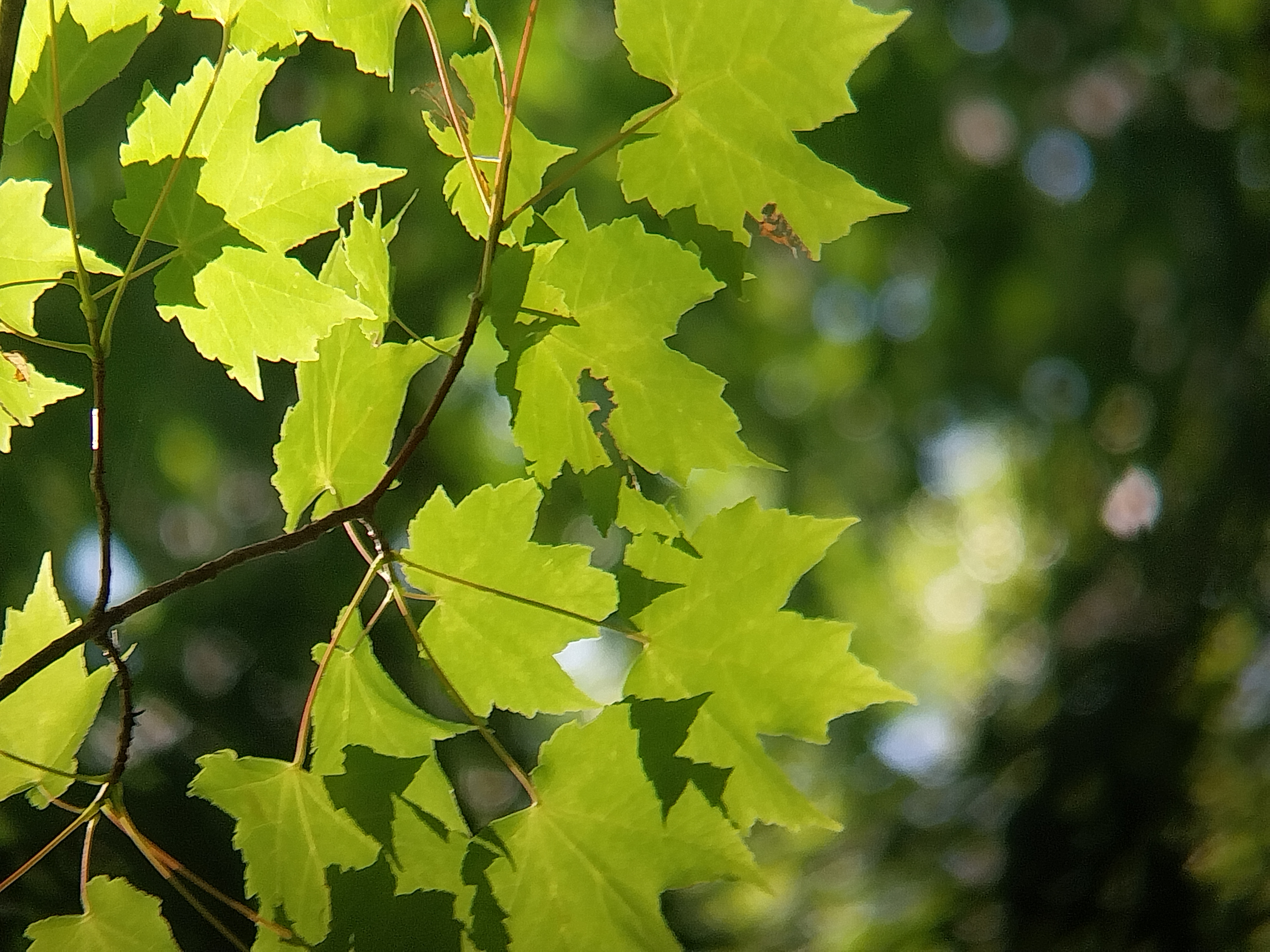
I’ve only just started getting into identifying trees. My companion and I arrived early, so we took a stab at identifying a tree next to the parking lot. I believe this is a Red Maple (Acer rubrum), based on the leaf shape.
Nearby, an Acadian Flycatcher (Empidonax virescens) was trying to catch an insects mid-air. Here is the day’s Flag Ponds bird list.
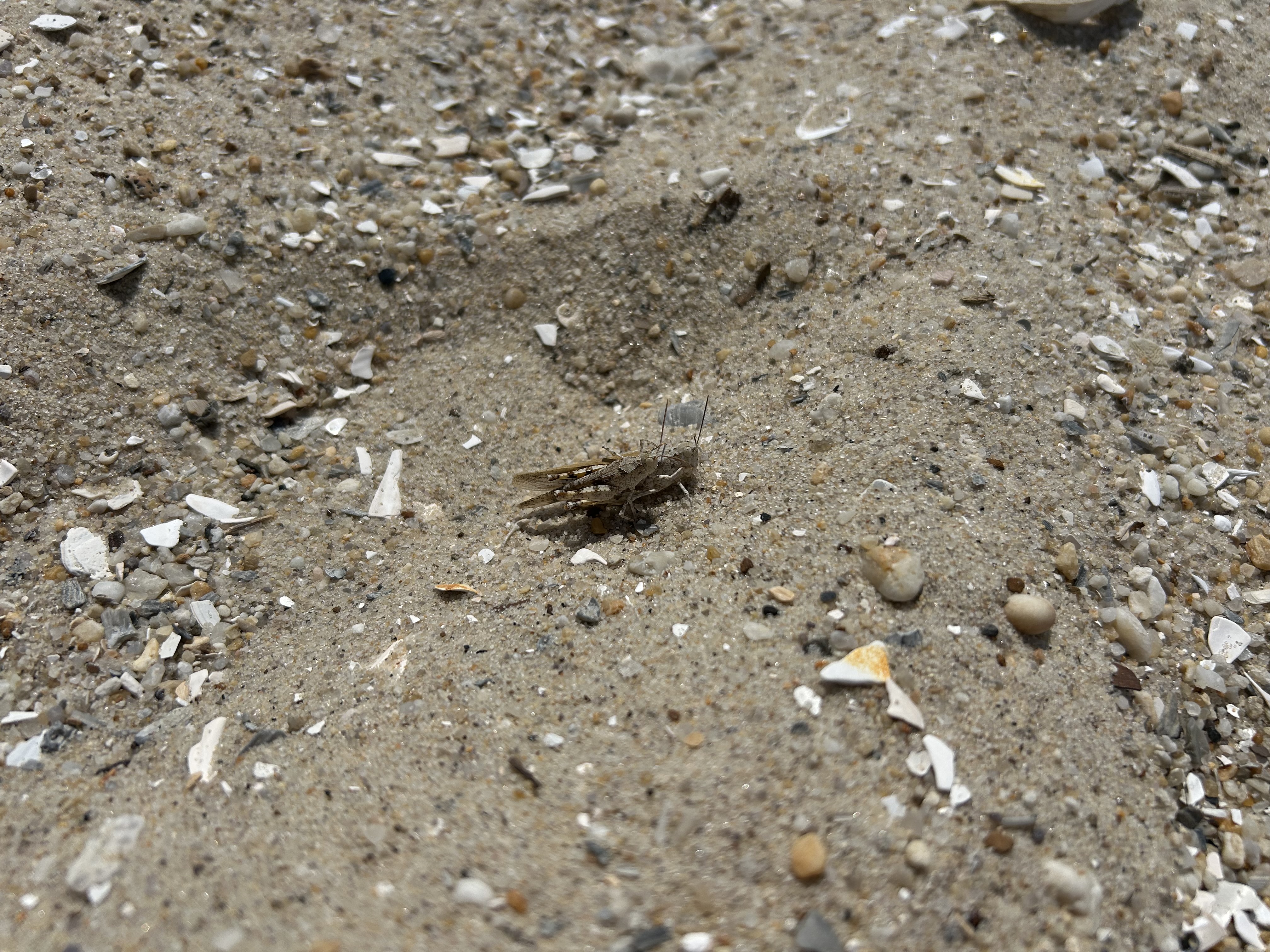
Down at the beach I noticed at least thirty or forty insects (grasshoppers? crickets?) of some kind jumping out of our path. I tried to no avail to catch one with my hat. I did my best to sketch them from a few glances, noting that they had four smaller legs up front and two larger legs behind, which had clear dark bands on them. The thinnest portion of these hind legs was orange, at least on some individuals.
Luckily, later came across a pair of them mating that could be approached closely enough to get a picture.
I concluded that these were Seaside Grasshoppers (Trimerotropis maritima). BugGuide, iNaturalist, and Maryland Biodiversity Project all have useful entries for this species.
We passed the afternoon chatting and watching a Great Blue Heron (Ardea herodias) hunt from under our beach umbrella.
After parting ways with our friends we went to Battle Creek Cypress Swamp, which bills itself as the northernmost such swamp in the United States. It’s certainly an unusual environment, and would be worth the trip to see the huge Bald Cypresses (Taxodium distichum) alone.
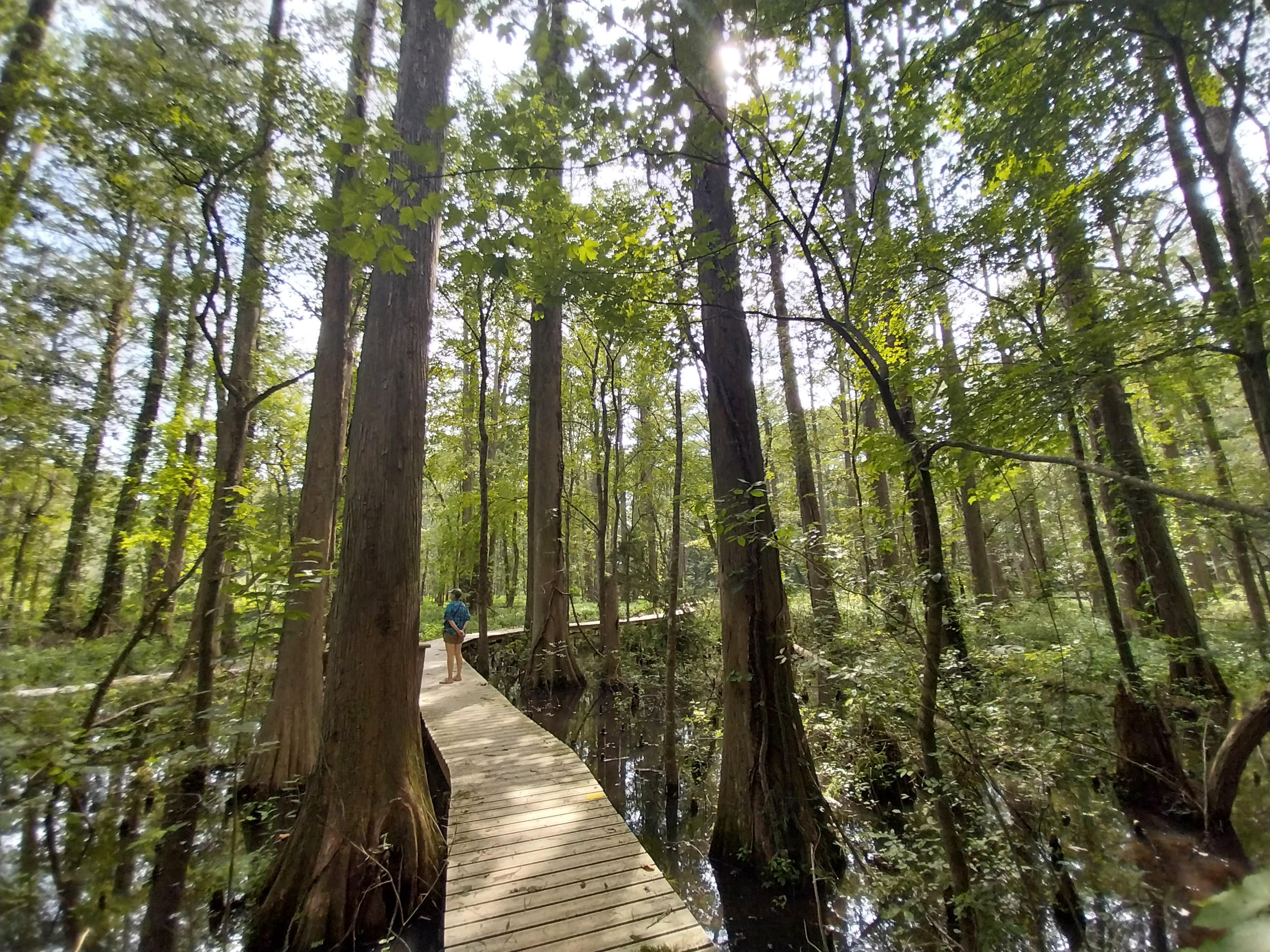
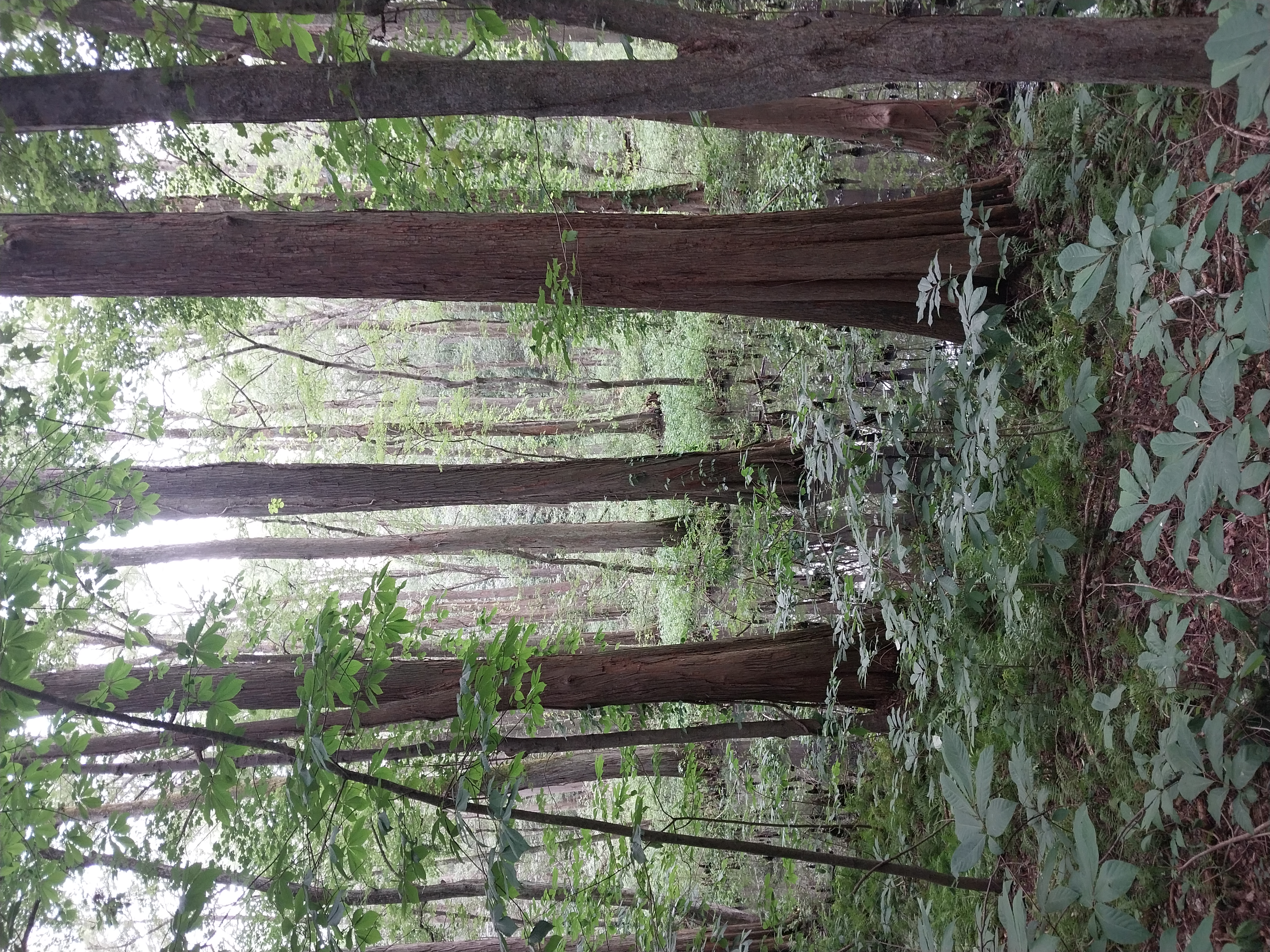
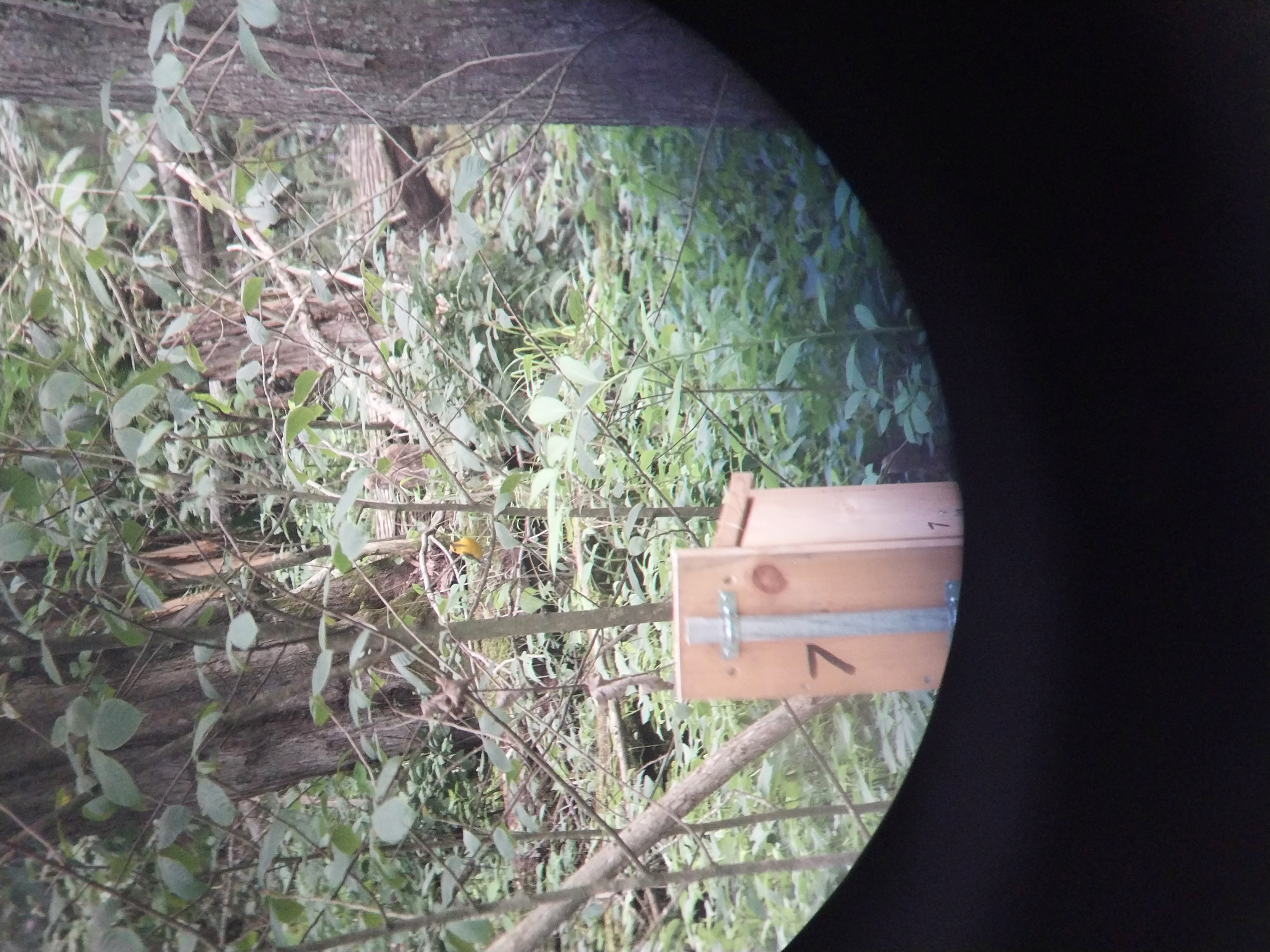
It’s also seemingly a very reliable site for Prothonotary Warblers, given that we’ve seen them on both this visit and the last. Here is our eBird list.
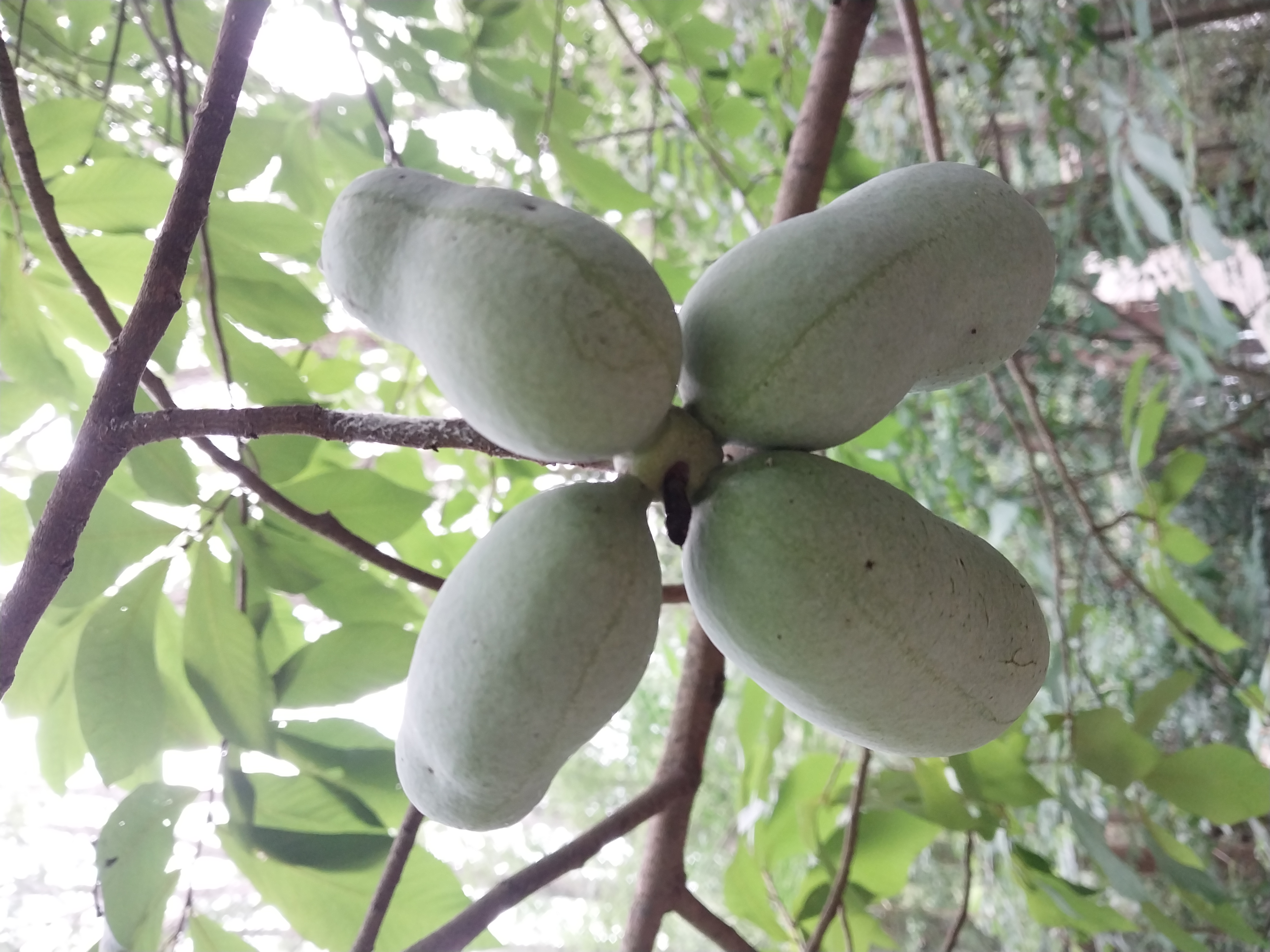
There were also many Paw-Paw trees (Asimina triloba). A friend of mine tells me these would not be ripe at this time of year.